Best Hydroponic Drip Systems Explained


Intro
Hydroponic drip systems have emerged as a leading solution for modern gardening, captivating the attention of both amateur growers and seasoned agricultural experts. These systems enable plants to thrive without the constraints of traditional soil-based growing methods, making them particularly beneficial in diverse environments—be it urban flats or sprawling commercial farms. The essence of a hydroponic drip system lies in its carefully crafted design which allows for optimal nutrient delivery, a vital consideration for anyone looking to enhance crop yields and quality.
This article aims to decode the many layers of hydroponic drip systems, unpacking their intricate design, functionality, and the multitude of advantages they offer. Whether you're a green thumb in a small apartment or a commercial farmer looking to rethink your growing strategy, understanding these systems can significantly impact your gardening success.
As we venture into the hearts of hydroponics, we’ll also take a closer look at best practices for utilizing these systems, approaches for pest and disease management, and the statistical insights that underscore their effectiveness. Readers are set to glean a solid framework to optimize their cultivation results, ensuring that each drip is maximally beneficial. Prepare to dive deep into this fascinating topic!
Understanding Hydroponic Systems
Hydroponic systems are at the forefront of modern agriculture, allowing for efficient plant cultivation without traditional soil. This article’s focus on hydroponic drip systems hinges on understanding the foundational principles of hydroponics. By grasping the key components and systems in hydroponics, enthusiasts and professional growers alike can maximize yields while minimizing resources. Such knowledge not only paves the way for better crop management but also facilitates sustainability in farming practices against climate change.
Definition and Overview
Hydroponics can be defined as a method of growing plants where their roots are submerged in a nutrient-rich solution, without the use of soil. This innovative growing technique opens doors to various cultivation environments, including urban settings and indoor farms, thereby eliminating space limitations often found in traditional agriculture. Plants grown in hydroponics can potentially grow faster and yield greater harvests due to direct access to nutrients.
Types of Hydroponic Systems
Several hydroponic systems cater to different plant types and grower preferences. Exploring these systems will aid in determining the most suitable approach to hydroponic gardening.
Deep Water Culture
Deep Water Culture (DWC) is a straightforward hydroponic method whereby the roots of the plants are suspended in a nutrient solution while an air pump oxygenates the water. This system has garnered popularity for its simplicity and effectiveness. A key characteristic of DWC is its ability to provide plants with constant access to nutrients and oxygen. The unique feature of DWC is the use of an air stone in the oxygenation process, promoting healthier root systems. This method fosters rapid plant growth but can present challenges like root rot if not monitored closely and the water temperature not kept in check.
Nutrient Film Technique
The Nutrient Film Technique (NFT) operates on the principle of a thin film of nutrient solution circulating over the plant roots. This sytem minimizes water use while ensuring that plants are continuously fed. What makes NFT appealing is its efficiency; plants receive a steady supply of nutrients without the water becoming stagnant. However, the unique feature of NFT is its reliance on a well-functioning pump system—if the pump fails, plants may suffer rapidly. While effective, NFT may require more oversight than other systems, making maintenance a priority to avoid negative outcomes.
Vertical Hydroponics
Vertical hydroponics harnesses vertical space to cultivate plants, typically in layered systems or towers. This method is particularly advantageous for urban gardening or areas with limited horizontal space. One key characteristic is the use of gravity in maintaining nutrient flow, allowing for efficient water use. The unique feature of vertical hydroponics lies in its space-saving design, enabling higher output per square foot. However, it may present challenges in terms of setup complexity and potential light distribution issues among plants at different levels. Despite these hurdles, vertical hydroponics is rising in popularity, particularly among growers seeking to maximize limited growing areas.
Understanding these various types of hydroponic systems is instrumental in effectively applying hydroponic methods in agriculture. Whether it's maximizing the use of a confined space or ensuring efficient nutrient delivery, each system has particular traits beneficial for certain growing scenarios. Readers can benefit from exploring these systems, identifying which best suits their gardening ambitions.
Drip Irrigation in Hydroponics
Drip irrigation is a cornerstone of hydroponic systems. It’s all about delivering water and nutrients directly to the plant roots. This system offers precision that traditional methods can't match. In a world where water scarcity is a hot topic, efficient use of resources is not just a nice-to-have; it's a necessity. Drip irrigation lessens water waste, delivering just the right amount when it's needed. This method isn't merely efficient; it is a game-changer for both hobbyist gardeners and large agricultural setups.
Principle of Operation
At its core, drip irrigation functions through a network of tubes and emitters. These components work in concert to provide a consistent supply of nutrient-rich water to each plant. Water drips slowly from each emitter, often at a rate measured in liters per hour. This slow delivery method ensures that moisture reaches the roots without saturating the surrounding soil, allowing for optimal nutrient absorption. The beauty lies in the ability to fine-tune the flow based on plant needs or environmental conditions. Echoing the sentiment, "out of sight, out of mind" doesn’t apply here; it’s very much about giving plants exactly what they crave.
Key Components of Drip Systems
Drip Emitters
Drip emitters are the heart of the system, controlling the flow of water directly to the plants. Each emitter is designed to drip water slowly, ensuring that it penetrates the root zone without causing runoff. A significant characteristic of high-quality emitters is their resistance to clogging. This ensures a consistent flow even in nutrient-rich solutions. Their ability to be adjusted for different flow rates makes them versatile for various plant types. However, some emitters can be sensitive to mismanagement; thereby, constant monitoring of water levels is critical.
Reservoirs and Pumps
Reservoirs store the nutrient solution, providing a ready supply for the system. The important feature of a reliable reservoir is its capacity and ease of access for refilling and maintenance. Some systems even incorporate automatic refill mechanisms, which can be a real time-saver. Pumps are equally vital; they maintain the pressure needed to push the nutrient solution through the system. An underpowered pump can lead to inconsistent watering, while an oversized one can cause excessive wear. Selecting the right pump is crucial not only for efficiency but to protect the overall structure of the system.
Timing Devices
Timers are a must-have for any robust hydroponic drip system. They allow for scheduled watering, which can mimic natural rain patterns. This means plants are watered during their peak growth hours, leading to healthier yields. The key aspect of a good timer is its programmability. Some models even offer wi-fi connectivity, allowing remote adjustments via mobile apps—ideal for those with a busy lifestyle. However, they may come with complications during power outages and periods of limited connectivity, thereby demanding a backup solution for those critical watering schedules.
"The key to successful hydroponics is delivering just what your plants need, when they need it. Drip irrigation helps you nail that balance perfectly."
In summary, drip irrigation in hydroponic systems provides a detailed and efficient method for growing plants. Understanding the principle of operation and the components involved is crucial for optimizing the system. For those invested in hydroponics, each nuanced detail matters, and with the right drip system in place, the pathway to successful growth is wide open.
Advantages of Hydroponic Drip Systems
Hydroponic drip systems come with a plethora of advantages that have made them a go-to choice for avid gardeners and commercial farmers alike. Their unique ability to provide a consistent and controlled environment allows for maximized growth potential. Understanding these benefits is crucial for anyone looking to delve into hydroponic gardening. Not only do these systems optimize resource usage, but they also enhance plant health and productivity. Let's delve deeper into the specific advantages offered by hydroponic drip systems.
Water Efficiency
Water is a precious resource, especially in arid regions where agriculture often battles against scarcity. Hydroponic drip systems excel in water efficiency. They deliver precise amounts of water directly to plant roots, minimizing wastage. In traditional gardening methods, excess water often runs off, leading to significant losses. However, with a drip irrigation setup, each drop counts—literally. This technique can reduce water use by up to 90% compared to soil-based growing. By utilizing recirculation in these systems, unabsorbed water gets collected and reused.
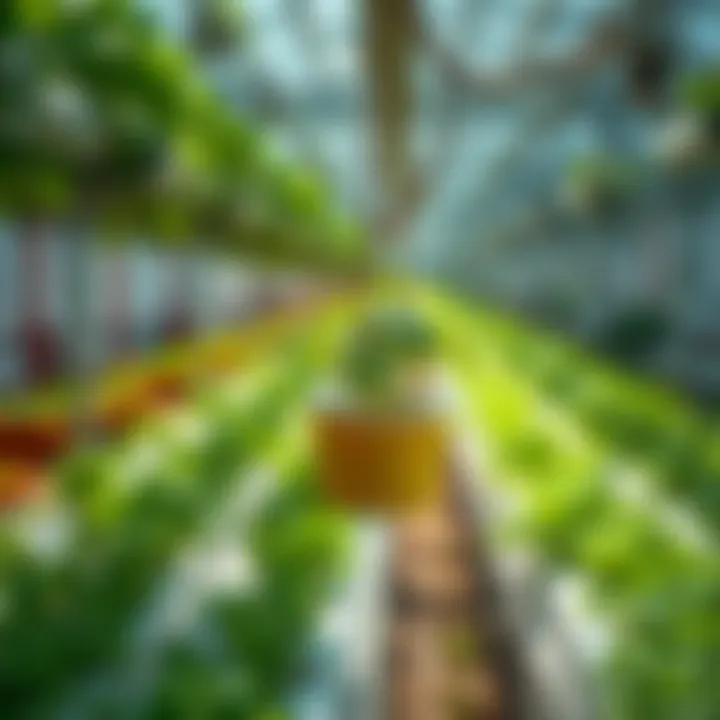
"Hydroponics not only conserves water but also enables gardeners to cultivate plants in spaces where traditional agriculture may fail entirely."
This efficiency is particularly beneficial for urban farmers or those with limited space, as it allows them to grow more with less. Additionally, since the moisture level is more consistent, plants are less prone to root rot and other diseases that thrive in overly saturated conditions.
Nutrient Delivery
In a hydroponic drip system, the nutrient delivery process is fundamental to successful plant growth. Nutrients dissolved in water can be directly fed to plants, ensuring they receive a balanced diet tailored to their specific needs. This precision helps in achieving optimal growth rates and healthier plants.
Unlike soil gardening, where nutrient absorption can be a gamble—starting from soil pH to microbial activity—the hydroponic method allows for constant monitoring and adjustment.
Here are some aspects of nutrient delivery via drip systems:
- Immediate Availability: Nutrients are immediately available, so plants don’t have to search for them.
- Targeted Nutrition: Specific formulations can be applied as needed, catering to different growth stages.
- Reduced Chemical Usage: Because of the controlled environment, there is often less need for chemical fertilizers, resulting in cleaner produce.
The ability to customize nutrient solutions frequently leads to more robust and vibrant plants.
Space Optimization
For many urban gardeners or farmers with space constraints, making the most of every square inch is vital. Hydroponic drip systems are easily adaptable to confined areas, offering vertical growing options that traditional gardening cannot match.
With a well-designed drip irrigation system, plants can thrive in arrangements that maximize light exposure and air circulation. This aspect not only improves predictability in yield but also enhances the aesthetic appeal of indoor or rooftop gardens.
Benefits of space optimization include:
- Vertical Options: Stacking plants vertically means more crops in less space.
- Modular Design: Many systems are modular; you can start small and expand as needed.
- Intercropping Potential: Different plant types can be grown together without overcrowding.
In summary, hydroponic drip systems offer considerable benefits in terms of water efficiency, nutrient delivery, and optimized space usage. These advantages not only contribute to healthier plants but also enhance overall productivity, making them an attractive solution for modern growers.
For additional information on hydroponic gardening, you can check Wikipedia or explore community discussions on Reddit.
Choosing the Best Hydroponic Drip System
Selecting the appropriate hydroponic drip system is pivotal for anyone venturing into the realm of soilless gardening. The right system not only dictates the amount of effort and resources required but also largely impacts the growth and health of the plants. Picking the best hydroponic setup can make the difference between a bountiful harvest and a disappointing yield. This section delves deeply into the factors influencing your choice, as well as comparing the systems available on the market.
Factors to Consider
Plant Type
When it comes to hydroponic gardening, understanding your plant type is crucial. Certain crops thrive better in specific environments and there’s a distinct relationship between plant preferences and system performance. For instance, leafy greens like lettuce are well-suited for drip systems due to their relatively quick growth cycles and low nutrient requirements. Meanwhile, fruit-bearing plants like tomatoes need more attention in terms of nutrient delivery and may require advanced setups.
Key Characteristic: Each plant has unique nutrient and water needs. Knowing these helps in crafting a targeted approach. The ability of a system to cater to these specific needs ensures an efficient growth environment.
However, one must also consider the disadvantages; while certain plants may do well in a hydroponic setup, others might struggle, which could lead to wastage of resources. Ultimately, matching the hydroponic system to the plant type can elevate the overall success of your garden.
Scale of Operation
The scale of your operation affects numerous elements, including system design and cost. Whether you're setting up a small home garden or a large commercial venture influences the kind of drip system you'll need. A small scale operation might use a simple hobbyist system that is easy to manage and cost-effective. For commercial setups, however, more complex configurations might be warranted to handle larger volumes of plants efficiently.
Key Characteristic: The scale often dictates the investment in technology and automation. Larger systems may include advanced monitoring and nutrient delivery systems that streamline the growing process.
On the flip side, there’s a risk of scaling too quickly. If a grower doesn't properly assess each step, they may end up with complications in system operation and increased costs without necessarily seeing a proportional increase in crop yields.
Budget Constraints
Maintaining a keen eye on your budget is imperative when choosing your hydroponic drip system. Hydroponics can be an attractive method, but it can also be deceptively expensive if not planned properly. You’ll need to account for setup costs, equipment, and recurring expenses like nutrient solutions and electricity.
Key Characteristic: Understanding your financial limits helps to set realistic expectations. It also allows for better planning in terms of investing in quality systems that are durable and efficient.
Ultimately, while higher upfront costs might seem intimidating, investing in quality components may pay off in reduced maintenance costs and improved performance over time. When budget is viewed with long-term efficiency in mind, it leads to smarter decisions in system selection.
Popular Systems in Market
Market Comparisons
When evaluating hydroponic drip systems in the market, it’s crucial to compare features, prices, and performance of various products. Systems like NutriHydro Drip System and Grotion Hydroponics Kit have gained attention for their unique features and benefits. Market comparisons enable users to gauge which system can best meet their specific needs without falling into traps of flashy marketing.
Key Characteristic: These comparisons provide a framework for assessing value against cost. It's the ease of navigating the myriad options available that ultimately aids in making an informed decision.
Yet, one has to be aware that comparisons aren't always straightforward. Different systems may use diverse metrics for success, making direct comparisons sometimes misleading. Therefore, always check the specifications and user feedback critically.
User Reviews and Feedback
The importance of user reviews cannot be overstated in the selection process. They offer real-world insights that manufacturers' specifications might not cover. For example, feedback on the EcoGrow Drip System often highlights its ease of setup and reliable performance, while other systems may receive criticism for frequent maintenance needs.
Key Characteristic: User-generated content often reflects practical experiences. Insights such as how easy a system is to clean or how effective the customer support is can substantially influence purchasing decisions.
Nevertheless, it’s essential to read reviews critically. Sometimes, biases can color feedback, leading to inflated expectations. Always check multiple sources and try to discern patterns in reviews before making a final decision.
By taking a methodical approach toward selecting your hydroponic drip system, considering plant types, scale of operation, and budget constraints, as well as relying on competent market comparisons and user feedback, you're setting yourself up for growth success.
Operating a Hydroponic Drip System
Operating a hydroponic drip system is the heartbeat of a successful hydroponic garden. While the setup might have its complexities, once established, the system allows for maximum efficiency and productivity. A well-operated system not only ensures that plants receive the right amount of nutrients and water but also helps in conserving resources, resulting in a more sustainable gardening practice. Here, we will cover the steps to set up such a system alongside the best practices to keep it running smoothly.
Initial Setup Process
Starting off, the initial setup of a hydroponic drip system can set the tone for future operations. It’s like laying a strong foundation for a house; if the base is shaky, the whole structure is at risk. First, selecting the right location is key—plants need ample light, so look for spaces that are sun-drenched or those that can accommodate grow lights. Next, the right containers should be chosen—these can range from simple plastic pots to more sophisticated net pots depending on plant types. Then comes the assembly of various components like the reservoir, pump, and the drip emitters themselves.
Having a proper water and nutrient solution ready is crucial in this phase. This solution will ultimately nourish your plants, and getting the mixture right is a science in its own right. Without it, your plants might just wither away like a forgotten garden.
Best Practices for Efficiency
Ensuring that your hydroponic drip system runs efficiently is paramount for achieving optimal plant growth. There are several best practices to uphold, focusing on consistent maintenance and active monitoring.
Regular Maintenance
Maintaining the drip system involves several important tasks that keep everything running smoothly. This includes regularly checking for clogs in emitters, which can hinder nutrient flow, and ensuring that all connections are sealed tight to avoid leaks. Another critical aspect is monitoring the pump to ensure it’s functioning optimally.
Key Characteristic: Regular maintenance requires not just time, but a keen eye for detail. This is an often-overlooked element that can lead to costly mistakes if neglected. It’s like keeping your car in good shape; some minor tweaks can prevent full-blown breakdowns.
A unique feature of regular maintenance is its preventative nature. Addressing small issues before they escalate can save you significant time and resources in the long run. However, some might find it daunting to routinely take these steps, but the payoff in efficiency and productivity is worth the initial effort.
Monitoring Nutrient Solution
Monitoring the nutrient solution is another critical cog in the wheel of a hydroponic drip system. It entails checking both the pH level and the concentration of nutrients in the solution that is delivered to the plants. A balanced nutrient solution correlates closely with plant health and growth; too much of a good thing, or too little, can lead to nutrient imbalances.
Key Characteristic: Continuous monitoring is essential and requires some level of technical know-how. It is not solely about making sure the plants grow—it's about understanding how different nutrients interact and how environmental factors can affect the solution.
The unique aspect of nutrient monitoring lies in its dynamic nature. Each plant type may require different levels of nutrients at various growth stages. Therefore, being proactive and adjusting the solution accordingly keeps the garden thriving. Some growers may find troughs and reservoirs of nutrient solution daunting, but the insights from careful monitoring can translate into flourishing yields.
In summary, operating a hydroponic drip system is more than just planting and watering; it's about creating a balanced micro-ecosystem for optimal growth. By adhering to the established best practices in both setup and maintenance, growers can avoid common pitfalls, ensuring their gardens produce bountifully.
"Proper setup and diligent monitoring is like having the right tools in your gardening shed; without them, you're just digging in the dirt with your hands."
For more insights into hydroponics, you may want to check Wikipedia's hydroponics page or Reddit's Hydroponics Subreddit for community feedback.
Troubleshooting Common Issues
In the realm of hydroponic drip systems, troubleshooting common issues is like having a toolkit in your back pocket. Understanding potential problems that can arise, and their solutions, can save time and resources while ensuring your garden thrives. Recognizing how to diagnose and address these common challenges is essential for maintaining optimal growth conditions. It not only helps in improving the efficacy of your system but also contributes to the sustainability of your gardening efforts.
Identifying System Failures
Identifying system failures early on is crucial. A malfunction can lead to reduced plant health and yield. Some symptoms of failed systems might include wilting plants, excess algae growth, or an unexpected build-up of pressure in the lines. Don’t just shrug off these red flags; they’re often your plants' way of waving a white flag.
Pay close attention to the following signs:
- Water Saturation: If you find some plants are flooded while others are bone dry, it’s a strong indicator that something’s off with the drip system.
- Emitter Flow Issues: If only sporadic drops are making their way to your roots, you might be looking at an emitter failure.
Being aware of these indicators allows you to leap into action, correcting issues before they escalate.
Solutions for Common Problems
Clogged Emitters
Clogged emitters can be a thorn in the side of any hydroponic gardener. They are designed to allow a measured flow of nutrient solution to reach your plants. A minor blockage can quickly lead to uneven watering. If you notice that some plants are thriving while others are struggling, a clogged emitter might be the culprit.
A key characteristic of clogged emitters is that they disrupt the nutrient flow, leading to a disparity in how plants receive their sustenance. It’s beneficial to maintain a routine check-up on your emitters. This might include:
- Flushing the system with clean water to clear any debris.
- Utilizing micron filters to prevent particles from entering the drip lines.
One unique feature of using emitters is their ability to deliver precise amounts of nutrients, which is essential for plant health. When they’re not clogged, they can be quite advantageous, providing consistency in nutrient delivery. However, neglecting this maintenance can lead to bigger headaches down the road.
Nutrient Imbalances
Nutrient imbalances can wreak havoc on your hydroponic system if not addressed properly. Plants require a balanced mixture of macro and micronutrients for healthy growth. Signs of nutrient imbalances include yellowing leaves, stunted growth, or even burnt leaf edges.
A key characteristic of nutrient imbalances is that they can stem from a variety of sources, such as improper pH levels or inconsistent feeding schedules. It’s essential to regularly test your nutrient solution and adjust accordingly.
Noticing these issues early on can save you time and prevent potential losses. Keeping a keen eye on your plants and maintaining a regular feeding schedule can aid in achieving that nutrient harmony.
A unique feature of managing nutrient balances is utilizing technology, like pH meters or EC (electrical conductivity) monitors, to gain insights into your system’s needs. These tools provide a more scientific approach to gardening, making sure your efforts grow fruitful.
Knowing how to face these two common issues—clogged emitters and nutrient imbalances—will pave your way for a more fruitful hydroponic experience.
"An ounce of prevention is worth a pound of cure"—a reminder that keeping ahead of potential issues can make all the difference in your hydroponic gardening.
For further reading and to deepen your understanding, consider visiting these resources:
- Wikipedia on Hydroponics
- Britannica Overview
- reddit discussions on Hydroponics
Explore these platforms to uncover more tips and tricks that can help elevate your hydroponic gardening.
Future Trends in Hydroponics
The hydroponics scene is evolving at a breakneck pace, with innovation shaping how we grow our food. Understanding future trends is vital for growers, be they seasoned professionals or curious novices. The developments that lie on the horizon promise to enhance productivity and sustainability, ensuring that hydroponics remains at the forefront of modern agriculture. By staying ahead of the curve, you not only enhance your gardening skills but also contribute to a growing movement advocating for more efficient food production.
Technological Advancements
Gone are the days when hydroponics was seen as a mere hobby. With the rise of advanced technologies, hydroponic systems are becoming smarter than ever. Automation has stepped into the spotlight, simplifying the processes of monitoring and managing nutrient delivery. For instance, systems now utilize sensors to measure pH, temperature, and nutrient levels, automatically adjusting them as needed. This means fewer manual interventions and greater efficiency.
Moreover, data analytics is making its mark too. Growers can analyze trends and patterns, tailoring their systems for optimal growth conditions specific to the crops being nurtured. This use of technology helps not only in increasing yield but also in reducing waste, a win-win for both the grower and the environment.
In addition, exciting innovations like vertical farming are pushing the boundaries. Employing smaller spaces effectively, vertical hydroponics allows for more produce in limited areas—a game changer, especially in urban settings.
Sustainability Perspectives
Environmental Impact
The environmental impact of hydroponic systems cannot be understated. Merely by using water-efficient methods compared to traditional farming, hydroponic systems significantly lessen the strain on water resources. The technology involved often recirculates water, minimizing waste and ensuring that every drop counts.
Research shows that hydroponic systems can reduce chemical runoff that typically pollutes soil and waterways from conventional farming. This makes it a more sustainable choice for serene ecosystems and contributes to better water quality in surrounding environments. By adopting hydroponics, growers demonstrate a commitment to sustainability, encouraging others to follow suit.
A key characteristic of hydroponics is its ability to promote local food production. Eliminating the need for extensive transportation infrastructure results in a lower carbon footprint associated with food distribution—a pressing concern in our globalized world.
"Investing in hydroponics means investing in a future where food production can coexist harmoniously with our environment."
Energy Efficiency
Energy efficiency, another pressing concern in the agricultural world, finds its ally in hydroponics. With the aid of energy-efficient LED lights, growers can provide the necessary lighting for plant growth at lower energy costs compared to conventional lighting methods. This reduces the overall energy consumption in indoor farming dramatically.
Hydroponic systems typically use less energy since they require smaller facilities and resources to cultivate crops. In fact, studies indicate that vertical and indoor hydroponic farms can produce several crops per year, optimizing every inch of space while minimizing energy used per yield.
The unique feature of integrating energy-saving technologies lies in the ability to scale operations flexibly based on available resources. Entrepreneurs looking to enter the hydroponic market can thus reduce their initial investment costs and start with simpler systems, gradually upgrading as demand increases. This adaptable nature makes hydroponics an attractive choice in today's energy-conscious climate.
In closing, the future of hydroponics is bright, fueled by innovations that are both transformative and sustainable. Adopting these practices not only supports individual success but also champions a movement towards a greener agricultural future. For further insights into hydroponics and related sustainability practices, you can check resources such as Wikipedia or explore forums on Reddit for community discussions.