Exploring the Role of Modern Grain Bins in Agriculture

Intro
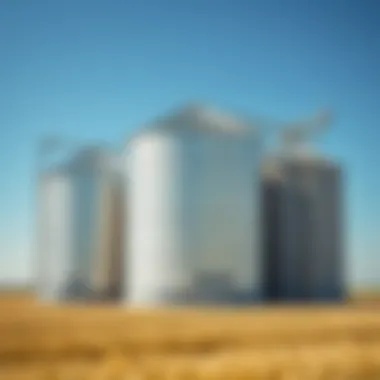
In the dynamic world of agriculture, the evolution of grain storage solutions is a critical aspect that significantly impacts productivity and efficiency. New grain bins, with their array of technological advancements and design innovations, have emerged as pivotal tools for modern farmers. They not only serve the fundamental purpose of safeguarding harvested crops but also integrate features that optimize storage conditions, thereby enhancing crop quality and yield.
The recent surge in agricultural technology underscores a profound shift in how farmers approach grain management. Armed with insights into innovative designs and advanced technologies, farmers and agronomists can make informed decisions about selecting and maintaining grain bins. This article seeks to unravel these complexities, offering practical guidance and keen observations on both the functionality and advantages of modern grain storage systems, ensuring that every stakeholder in the agricultural sphere is equipped with the knowledge they need to thrive.
Research and Data Analysis
As agriculture becomes increasingly data-driven, understanding the latest trends in both farming and horticulture is imperative. This sector has seen a notable shift towards precision farming methods that enhance crop management. With tools that collect and analyze data on everything from soil moisture levels to crop health, farmers can now tailor their practices for optimal outcomes.
Latest Trends in Agriculture and Horticulture
Here are some trends shaping the future of grain storage:
- Smart technology integration: More grain bins are incorporating sensors that monitor temperature and humidity.
- Modular designs: Farmers are favoring customizable units that can be expanded as their needs grow.
- Sustainability focus: There’s a marked increase in the use of eco-friendly materials in bin construction, reducing the carbon footprint of farming operations.
Data shows that these advancements can lead to an increase in crop yields by 10-15% when properly implemented. The effectiveness of these innovations directly correlates to the accuracy of data utilized and the decisions made based on this information.
Statistical Insights into Crop Yields
According to recent studies, regions that have adopted modern grain bins see a marked improvement in storage conditions, leading to reduced spoilage rates and improved overall yields.
"Proper grain storage can save farmers up to 30% of their potential losses due to spoilage."
This figure emphasizes the financial benefits of investing in the right storage solutions. Moreover, effective grain storage revitalizes local economies, as higher quality grains command better prices in the marketplace.
In the following sections, we will delve into the best practices for maintaining these essential tools, tackle pest and disease management strategies, and explore how technology can further enhance grain storage efficiency.
Understanding Grain Storage Systems
To appreciate how new grain bins shape modern agriculture, one must understand the essential framework of grain storage systems. This framework significantly impacts yield quality and harvest efficiency. Without a solid grasp of the structures designed for grain storage, farmers and agricultural enthusiasts can't fully leverage the advancements made in technology and design.
Grain storage plays a vital role for several reasons:
- Protection from Elements: Proper storage shields grains from moisture, pests, and temperature extremes. Such protection is key for maintaining grain quality over time.
- Enhanced Market Timing: With effective storage, farmers can choose when to sell their harvest. By holding onto their grains, they might secure a better price as market conditions fluctuate.
- Supply Chain Efficiency: Well-managed grain storage ensures a steady supply throughout the year, smoothing out the seasonal peaks and troughs in production.
Understanding grain storage systems essentially sets the stage for evaluating modern grain bin technologies, which have evolved considerably. The next section dives into the historical context of grain storage, tracing the evolution from rudimentary structures to advanced solutions that dominate the agricultural landscape today.
Types of Grain Bins Available
Understanding the various types of grain bins is crucial for anyone involved in agriculture. Each type offers unique benefits and considerations that cater to different farming needs. Selecting the right grain bin can greatly influence the overall efficiency of grain storage, thus impacting the yield and quality of the agricultural products.
Steel Grain Bins
Steel grain bins are known for their durability and longevity. Constructed from sturdy galvanized steel, these bins can withstand harsh weather conditions, ensuring that the grains stored within remain safe and dry. They often come in larger sizes, making them suitable for farms with significant grain storage needs.
Some of the advantages of steel grain bins include:
- Resistance to Rodents and Insects: Steel does not provide a nesting ground, deterring pests from infiltrating the stored grain.
- Fire Resistance: Unlike other materials, steel bins pose a reduced risk of fire hazards, which is a critical consideration during the harvest season when machinery and other flammable materials are present.
- Versatility: Steel bins can be used not just for grain but for a variety of agricultural products, making them a multi-functional asset in farming.
However, the upfront investment for steel grain bins can be quite significant, so conducting a thorough cost-benefit analysis is essential before making a purchase.
Fiberglass Grain Bins
Fiberglass grain bins, although less common, are gaining popularity due to their lightweight and corrosion-resistant properties. These bins are ideal for farmers looking to store grains in areas where moisture might be a concern, as fiberglass does not rust or corrode.
Key benefits include:
- Lightweight Nature: Easier to transport and install than their steel counterparts, fibreglass bins can be an excellent choice for smaller operations or farms undergoing relocations.
- Lower Maintenance: Fiberglass bins require less maintenance over time, with no need for painting or anti-corrosive coatings.
- Insulative Properties: This characteristic helps in moderating the temperature within the bin, which can be beneficial for certain grains susceptible to temperature fluctuations.
However, their cost can be comparable to steel bins, so the decision to invest in fiberglass should be carefully evaluated against specific farming needs.
Flexible Grain Storage Solutions
Flexible grain storage is a newer concept that has gained traction in recent years. These options, such as grain bags or silos that can be moved and adjusted, offer a variety of benefits that appeal to modern farmers.
Consider the following aspects:
- Adaptability: Farmers can store grains in various locations without the need for a permanent structure, allowing for more versatile farming operations.
- Space Efficiency: Flexible solutions often occupy less land area, freeing up space for other agricultural activities or equipment.
- Cost-Effective: Generally cheaper to implement than permanent structures, these solutions can cater to farmers with tighter budgets or those needing quick adaptive measures during harvest.
Despite these advantages, flexible storage options may lack the robust protection that traditional bins offer, so they should be used in conjunction with other storage methods to ensure the best preservation of grain quality.
"Choosing the right grain bin is not just about capacity; it’s about optimizing the long-term storage ecosystem for your specific grains and farming conditions."
Key Factors in Choosing a Grain Bin
Selecting the right grain bin is a pivotal decision that can greatly affect both the efficiency and effectiveness of grain storage operations. It is not as simple as picking one off the shelf; various factors must be weighed carefully before making such an investment. Understanding these key factors will enable you to choose a grain bin that not only meets your immediate storage needs but also aligns with long-term agricultural goals and sustainability practices.
Capacity and Size Considerations
When diving into grain bin selection, capacity and size are among the first aspects to consider. It’s essential to estimate your current and future grain storage requirements accurately. A bin that is too small will lead to overfilling, risking grain spoilage, while one that is excessively large can be an unnecessary expenditure.
To make an informed decision:
- Assess Harvest Volume: Look at past harvest data to gauge your storage needs.
- Consider Crop Rotation: Different crops have various bulk densities. For example, soybeans take up less space compared to corn, hence their storage needs differ.
- Growth Prospects: Think about future yield potentials and whether you plan to expand your farming operations in the coming years.
There’s something to be said for the right fit. A well-sized bin not only optimizes the storage space but can also minimize handling and transportation costs. Here’s where thoughtful planning goes a long way.
Location and Soil Stability
Location can make or break a grain bin's utility. You’ll want a site that is easily accessible for loading and unloading, but that's not all. Soil stability is crucial too. Grain bins should be installed upon solid ground to ensure proper weight distribution and avoid settlements that could lead to structural damage.
- Soil Type: Clay or sandy soils behave differently under load; it’s vital to pick a bin foundation that accommodates these variances.
- Drainage: Look for a dry location that’s free from standing water. Poor drainage can lead to complications such as rusting or even flooding during heavy rains.
- Accessibility: Make sure your chosen spot has sufficient space for machinery to maneuver comfortably—nothing worse than trying to haul grain in a tight squeeze.
Climate and Environmental Conditions
The climate where you farm can notably affect your choice of grain bin. Understanding how temperature, moisture, and wind patterns in your area impact grain storage is essential.
- Temperature Control: In warmer climates, consider bins with better ventilation systems to regulate heat, while frost-prone areas might require insulation.
- Humidity Levels: Higher humidity can increase the risk of mold and spoilage. A carefully designed aeration system becomes vital in such circumstances.
- Local Weather Patterns: Being mindful of local weather can aid in selecting features like wind and snow loading capabilities—especially if you are in an area prone to harsh winters.
"Choosing the right grain bin is like laying down the foundation for a house; it must withstand both environmental pressures and storage demands over time."
In summary, the key factors in choosing a grain bin involve a marriage of capacity, location, and climate adaptation. Understanding these elements fully will empower farmers to make choices that not only meet their immediate needs but also enhance their efficiency and sustainability in the long run. For additional insights on grain storage technology, check reputable sources like Britannica or local agricultural extension services.
Advanced Features in New Grain Bins
When it comes to grain storage, the technology behind grain bins is rapidly evolving. Understanding the advanced features in new grain bins can help farmers maximize the benefits of their investment. These innovations not only improve efficiency but also ensure the longevity of stored grains. Emphasizing cutting-edge technology, you will find that these features are tailored to meet the challenges of modern agricultural practices.


Integrated Monitoring Systems
One of the most crucial advancements in grain bin technology is the development of integrated monitoring systems. These systems utilize sensors to keep an eye on factors such as humidity, temperature, and even grain movement within the bin. By having real-time data at their fingertips, farmers can make more informed decisions about when to vent or aerate the grain.
- Benefits of Integrated Systems:
- Early Detection: Problems like moisture buildup can be spotted early, helping prevent spoilage.
- Automation: Many systems can automatically adjust ventilation, which saves time and labor.
- Data Analytics: Over time, data can inform better strategies for crop management and storage practices.
Implementing these systems means fewer surprises down the line. It’s like having an extra set of eyes watching over your investment, helping farmers save both time and money.
Aeration Technology
Next up is aeration technology, a feature that has been around for a while, but has seen significant upgrades in new grain bins. Proper aeration maintains the grain at optimal conditions, directly affecting the quality and safety of the stored product. The importance of adequate air circulation cannot be understated.
- Key Components of Aeration Systems:
- Fans: High-efficiency fans pull air through the grain, ensuring uniform temperature and moisture levels.
- Ducting: An effective layout of ducting allows for even air distribution throughout the bin.
- Control Systems: Automatic controls can optimize airflow according to real-time data, adjusting settings based on changing conditions.
These systems play a foundational role in maintaining grain quality, which ultimately impacts marketability. A well-aerated grain bin can mean the difference between a bushel that sells and one that sits unsold due to quality loss.
Robust Structural Designs for Enhanced Longevity
New grain bins are being designed with an emphasis on sturdier and more durable structural designs. These enhancements are also pivotal for the long-term storage of grains. Traditional bins may have served their purpose well, but advancements in materials and design offer substantial improvements.
- Factors Contributing to Longevity:
- Material Quality: Newer bins often use galvanized steel or corrosion-resistant materials that stand the test of time against moisture and pests.
- Structural Integrity: Enhanced engineering designs take into consideration environmental stressors like wind or earthquakes, ensuring the bins remain intact.
- Preventive Design Features: Many modern bins include features to minimize maintenance and repair needs down the line, saving farmers from future headaches.
The investment in robust structural designs is an investment in peace of mind, ensuring that the bins can withstand the rigors of time and nature.
In summary, the integration of advanced features in grain bins—like monitoring systems, improved aeration, and sturdy structures—brings a new standard in grain storage. As we navigate the complexities of modern agriculture, these innovations are not just useful; they're essential.
With these elements at play, farmers can not only boost the efficiency of their operations but also improve the overall quality of their grain, significantly impacting their bottom line.
Costs and Economic Considerations
When exploring grain bins, it’s essential to look at the costs associated with these crucial storage systems. The financial implications can significantly impact farmers' decision-making processes. Understanding all factors, from the initial purchase price to ongoing maintenance, helps ensure that the selected grain storage solution yields the most benefits. Additionally, a sensible economic analysis can shape the overall success of agricultural operations, ultimately influencing yield and profit.
Initial Investment Analysis
Evaluating the initial investment for grain bins involves more than just the sticker price. Farmers need to factor in various elements such as:
- Site Preparation Costs: This might include leveling the ground, construction of access roads, and maybe even a concrete foundation. If the site isn't adequately prepared, it can lead to greater expenses down the line.
- Bin Size and Capacity: Larger bins generally carry a higher price tag but could offer economies of scale in terms of storage. Balancing size and cost is key to making a smart purchase.
- Transportation Fees: Delivery of these heavy structures can cost a pretty penny, depending on the bin’s size and distance from the manufacturer.
A detailed analysis during the planning stage can save headaches later. It’s not just about what you can afford to spend today but also about what will serve your needs tomorrow.
Long-Term Maintenance Costs
Once the grain bin is up and running, ongoing maintenance becomes a pressing concern. Proper attention to maintenance can prevent minor issues from snowballing into costly repairs. Key aspects include:
- Cleaning: Grain residues can attract pests and mold. Regular cleaning is crucial, and forgetting can lead to spoilage or even health risks.
- Inspection: Regular checks for structural integrity, especially after extreme weather, are mandatory. Cracks or rust can escalate into serious threats that affect the longevity of the bin.
- Operational Costs: Keeping monitoring systems and aeration functioning often entails ongoing energy expenses. Understanding these costs can help in budgeting.
Farmers should prepare for these predictable expenses to maintain efficiency without unforeseen financial burdens cropping up.
Return on Investment and Yield Improvement
The ultimate goal of investing in grain bins is improving yield and ensuring a solid return on investment (ROI). Here are several areas worth considering to maximize ROI:
- Quality Preservation: Good storage systems protect the quality of grains, minimizing losses due to spoilage. Higher quality translates into better market prices.
- Market Timing: With proper storage, farmers have the ability to wait for more advantageous market conditions to sell their grains. This flexibility can amplify profitability significantly.
- Yield Increases: Some modern bins allow for controlled environments, leading to healthier grains which can improve the overall yield.
"By investing in the right storage solutions, farmers can reap benefits that extend beyond financial returns. Efficiently managed grain storage not only improves profitability but also enhances sustainability within the agricultural sector."
In summary, while initial costs might seem daunting, understanding the long-term economic landscape and the benefits can change the game for farmers. Careful assessment and planning turn grain bins from mere storage solutions into pivotal investments that can shape agricultural success over time.
Installation and Setup Considerations
When it comes to getting the most out of new grain bins, installation and setup hold significant weight. Just like a strong foundation is crucial for any building, a well-planned installation sets the stage for optimal performance. Taking the time to consider various elements can lead to long-lasting benefits, enhancing both efficiency and longevity of the grain storage system.
Establishing the right location, ensuring proper construction techniques, and adhering to safety standards are vital points of consideration. This not only safeguards your investment but also ensures that the grain remains in excellent condition throughout its storage life.
Site Preparation and Planning
Planning the installation starts well before the first piece of the grain bin is put in place. Site preparation is about creating a suitable environment that will not only handle the weight of the grain bin but also accommodate any operational requirements.
- Assess the Landscape: Look at the topography of your land. Is it flat, sloped, or hilly? Ideally, the ground should meet certain criteria: stability, drainage, and accessibility.
- Choose the Right Spot: Ideally, you want a dry area away from trees that can drop limbs or debris. Soil stability can save you from headaches down the road. If the soil is too loose, it could shift and compromise the structural integrity.
- Utilities and Access: Ensure there is easy access for vehicles and equipment, which is critical for loading and unloading. Consider how you’ll route electricity for aeration systems or monitoring equipment if you are going tech-savvy.
Taking the time to do proper site preparation can lead to smoother operation down the line.
Professional Installation vs. DIY
You may wonder whether to roll up your sleeves or call in the experts when it comes to installing a grain bin. Each choice has its merits.
- Professional Installation: Hiring experienced installers ensures that everything is done right the first time. They bring a level of expertise necessary to adhere to code regulations and safety standards. Plus, they often provide warranties for their work, which can be a comfort.
- Do-It-Yourself (DIY): On the flip side, if you’re handy and have a solid understanding of construction principles, installing the bin yourself can save you a pretty penny. Plus, you’ll have the satisfaction of knowing you built it yourself. However, make sure you understand all the nuances involved to avoid costly mistakes.
It's worth weighing the cost against potential complications when deciding which path to take.
Testing and Calibration Post-Installation
Once your grain bin is standing tall, the journey doesn’t end there. Testing and calibration are key to ensuring that your investment serves you well.
- Check for Leaks and Gaps: Inspect the bin to ensure there are no leaks or gaps in the seams. Grain is finicky and can be prone to spoilage if the environment isn’t just right.
- System Calibration: If you've integrated technology like monitoring systems or aeration units, calibrate them according to the manufacturer’s specifications. This will help maintain optimal conditions and prevent any unpleasant surprises later.
- Routine Monitoring: After installation, make it a habit to regularly monitor the bin’s performance. This can include checking humidity levels, temperature, and the overall structural integrity.
Proper testing and calibration can significantly enhance the lifespan and operational efficiency of your grain bin.
Assuring proper installation and setup enhances the overall success of grain storage endeavors. By being proactive from the start, you ensure that your grain bins not only meet your immediate needs but also position you for future growth.
Maintenance and Care of Grain Bins
Effective maintenance and care of grain bins is a cornerstone of optimal grain storage systems. Proper upkeep not only extends the lifespan of the bins but also ensures the integrity of the stored grain. When grain bins are neglected, it can lead to reduced efficiency, increased operational costs, and potential loss of crop yield, which could eat considerably into any farmer's profit margins. Let's explore the vital protocols and considerations involved in maintaining grain bins.
Routine Inspection Protocols
Implementing routine inspections is key in identifying potential issues before they escalate into significant problems. Inspections should be carried out regularly, ideally every few months, to keep a tab on various elements of the grain bins. Here are some specific items to check during these inspections:
- Structural Integrity: Look for signs of rust, dents, or weak spots in the metal of steel bins. For fiberglass bins, check for cracks.
- Seals and Gaskets: Ensure that seals and gaskets are intact and functioning well to prevent moisture ingress.
- Ventilation Systems: Inspect ventilation ducts and fans to ensure they are operable and free of obstructions.
- Electrical Components: If automated systems are in place, checking wiring connections and component functionality is crucial.
Regular inspections can catch minor imperfections, such as small leaks or unbalanced aeration, before they become costly repairs. It might seem like just another chore on a long list, but it saves time and cash in the long run.
Cleaning and Pest Control Measures


Keeping grain bins clean is another key element of their maintenance. Grain can attract pests like rodents and insects, which can harm both the grains and the bin itself. Here’s how to prioritize cleaning and pest control:
- Empty Before Cleaning: Ensure the bin is empty before starting a cleaning. Removing all grain allows you to clean the surfaces thoroughly.
- Sweep and Vacuum: Use a broom and a vacuum with a fine filter to eliminate any leftover grain dust and debris. This detritus can harbor pests and mold.
- Pest Control Treatments: Depending on the level of infestation, it might be necessary to apply treatments, either synthetic or organic, to keep pests at bay.
- Fumigation: For severe infestations, consider fumigation methods, but follow safety guidelines closely.
The emphasis on cleanliness cannot be overstated. As the saying goes, "A stitch in time saves nine." By keeping your grain bins clean and pest-free, you're safeguarding your investment and ensuring quality grain storage.
Seasonal Considerations for Maintenance
Seasons bring different challenges for grain bin maintenance. Each season presents unique factors that dictate how grain bins should be cared for. Here's a breakdown of what to consider:
- Winter: Check for snow accumulation on roofs, as heavy snow can lead to structural issues. Inspect heating systems if applicable, to keep stored grain from freezing.
- Spring: Conduct thorough checks after winter. Moisture from rain can lead to condensation build-up inside the bins. Ensure ventilation is optimally functioning to maintain airflow.
- Summer: Monitor for pests more actively in warmer months. Check the effectiveness of aeration technology to avoid overheating grains.
- Autumn: As harvest season approaches, make sure the bins are clean and ready for the incoming crop. Timing is everything; a well-prepared bin can significantly boost harvesting efficiency.
Pro Tip: Keep a seasonal maintenance checklist handy to ensure no important step is missed. This preparation helps avert problems and enhances the efficiency and storage reliability of your grain handling process.
Impact of New Grain Bins on Harvest Efficiency
The role of new grain bins extends beyond mere storage; they fundamentally transform harvest efficiency on modern farms. As the agricultural sector embraces technology, these innovations contribute significantly to streamlining various processes, reducing waste, and facilitating advanced crop management practices. The efficient use of grain bins can enhance productivity and sustainability, resulting in benefits that resonate throughout the entire farming operation.
Streamlining Harvest Processes
New grain bins are designed with advancements that significantly streamline the harvest process. For instance, today’s models often incorporate integrated handling systems, allowing for seamless transfer of grain from combine harvesters to storage. The faster the grain moves from field to bin, the less time it is exposed to the elements, which is crucial during inclement weather.
Consider a farmer using a high-capacity bin with automated augers. Instead of spending substantial time manually transferring grain, the farmer can set the system to operate independently, freeing them to focus on other important tasks. This hands-off approach often leads to increased productivity—farmers can manage larger operations with greater precision.
Reducing Post-Harvest Losses
Post-harvest losses are a significant challenge for many farmers, with improper storage techniques leading to diminished quality and quantity of grain. New grain bins come equipped with features that effectively mitigate these losses. For example, many bins include improved aeration systems that maintain optimal humidity levels and protect against spoilage.
By promptly moving grain into a climate-controlled environment, the risks associated with mold and pests are drastically reduced. Farmers who invest in these advanced solutions see a notable reduction in waste. According to the USDA, using modern storage methods can lower losses by up to 20%, underscoring the economic rationale behind upgraded grain bin systems.
Facilitating Better Crop Management Practices
Modern grain bins facilitate better crop management practices. They allow farmers to store different types of crops separately, which is vital for maintaining crop quality and for managing inventory effectively. For example, if a farmer grows both corn and soybeans, integrated storage solutions allow them to keep each crop in distinct areas within the same facility.
Moreover, data analytics integrated into modern systems provide information about moisture levels and grain temperature, guiding farmers to make more informed decisions about when to harvest or sell. This strategic approach to management can significantly impact profitability and sustainability, ensuring that farmers not only meet market demands but also uphold responsible agricultural practices.
"Investing in modern grain bins is not merely a choice but a necessity for farmers looking to thrive in an increasingly competitive market."
In summary, the impact of new grain bins on harvest efficiency is profound. They not only streamline processes and significantly reduce post-harvest losses, but they also enable better management of agricultural practices. For farmers, these tools represent an evolution in how grain is stored and managed, ultimately contributing to increased productivity and sustainability.
Technological Integration in Grain Storage
In today's fast-evolving agricultural landscape, technological integration in grain storage has emerged as a cornerstone for optimizing performance and enhancing efficiency. As farmers strive to maximize yields and minimize losses, understanding advancements in grain storage technology becomes crucial. This section dissects how these developments have catalyzed change in the sector, pinpointing the benefits and considerations that farmers must account for when integrating new technologies into their grain storage systems.
Automation and Remote Monitoring
Automation has revolutionized the way grain is stored, making it not only easier but also smarter. With remote monitoring systems, farmers can oversee their grain bins from miles away. This means that they can check on grain temperature, moisture levels, and overall bin conditions with just a few clicks. For instance, someone might use an app on their smartphone to see if the grain is at risk for spoilage or determine when it's time to harvest.
The benefits of automation are manifold:
- Time-saving: No more physical check-ups needed every day.
- Accuracy: Sensors give precise data, helping avoid disasters by catching issues early.
- Efficiency: Automating routine tasks means that farmers can focus on more strategic decisions rather than repetitive manual work.
However, it's essential to think about the setup costs and the potential need for training. Getting used to new technology can come with a learning curve, not to mention the unexpected hiccups that can crop up in data connectivity.
Data Analytics in Grain Storage
Data analytics is another powerful player in the realm of grain storage. By harnessing data, farmers can make informed decisions that might save them time and money in the long run. Analytics allow growers to assess patterns and trends in their grain storage effectively. For example, they can look back on previous harvests to figure out the optimal storage conditions that lead to the best preservation.
The useful insights derived from data might include:
- Predictive modeling: Estimating when grain will spoil or degrade.
- Historical trend analysis: Understanding past yields and correlating them with storage practices.
- Manual vs automated comparisons: Assessing the efficiency of traditional manual monitoring against smart systems.
Nevertheless, leveraging data comes with its own bag of challenges. Farmers often need to invest in training to understand the analytics tools fully, which can be daunting, especially for those who’ve spent years in the field relying on intuition and experience alone.
Future Trends in Grain Storage Technology
Looking ahead, grain storage technology continues to evolve at breakneck speed. Emerging trends hint at even more integration, with solutions that promise to further reduce waste and improve crop preservation. One notable trend is the increasing shift towards smart bins, equipped with AI capabilities, which will allow self-regulating systems that adjust conditions based on real-time algorithms. This might include modifying humidity levels or automatically notifying a farmer when immediate action is required.
Other notable trends include:
- The use of IoT (Internet of Things): This creates a network of interconnected devices that share data seamlessly, enhancing real-time monitoring.
- Sustainability features: As farmers become more environmentally conscious, technology is shifting towards solutions that not only improve efficiency but also reduce ecological footprints.
- Blockchain for traceability: Ensuring transparency from farm to market could be the game-changer for grain storage, allowing consumers to know where their food is coming from and how it was stored.
It’s clear that with advancements in technology, the future of grain storage isn’t just about managing space; it’s also about redefining how farmers interact with their entire food production process. Moving forward, the challenge will not only be integrating these technologies but ensuring they remain accessible and beneficial for all levels of farming operations.
"Technological integration isn’t just a trend; it’s the lifeline that will keep the agricultural sector thriving."
By understanding and adapting to these innovations in grain storage, the agricultural community can robustly prepare for the challenges ahead, ensuring food security for the future.
Environmental Implications of Grain Bins
Understanding the environmental implications of grain storage is crucial in a time when agricultural practices are under scrutiny for their impact on climate change. Grain bins, as an integral part of modern farming, significantly contribute to the sustainability of agricultural operations. They are not just boxes to house harvested crops but are pivotal in reducing waste and promoting practices that are environmentally friendly.
Sustainable Practices in Grain Storage
Sustainability in agriculture ties directly to how grain is stored. Modern grain bins offer an array of solutions that enhance the preservation of crops while minimizing waste. For instance, effective aeration systems help maintain appropriate temperature and humidity levels, which can prevent spoilage. This can lead to less food waste—a critical concern when considering global food security.
Moreover, many new grain storage solutions come with integrated pest control mechanisms that limit the need for chemical pesticides. Using techniques such as biological pest control, these systems can significantly decrease harmful chemical usage, making grain storage less detrimental to the surrounding ecosystem. When farmers adopt these sustainable practices, they not only protect the environment but also improve their crop quality and yield.
Impact on Carbon Footprint
The operations involved in grain storage can contribute to greenhouse gas emissions, but advancements in technology have made it possible to mitigate these impacts. By selecting efficient grain bins with low energy requirements for temperature control and airflow, farmers can lower their carbon footprint. Specifically, using bins equipped with solar panels or energy-efficient fans can significantly reduce reliance on fossil fuels.
Furthermore, reducing spoilage means fewer crops need to be discarded, which contributes to a decrease in methane emissions that occur in landfills from wasted food. Each step in enhancing grain storage systems plays a paramount role in reducing overall carbon outputs from the agriculture sector.
Recycling and Material Choices
The materials used in constructing grain bins are crucial when considering their environmental impact. Opting for recycled steel or sustainably sourced materials not only promotes recycling but also conserves resources. For instance, many grain bins today are fabricated from galvanized steel, which doubles as both a durable option and one that can be recycled at the end of its lifespan.
Additionally, advancements in bio-based materials for grain bins are emerging. Research is ongoing into options that reduce reliance on non-renewable materials, making the long-term effects of these bins more beneficial for the environment.
"Choosing the right materials is not just about durability but also about sustainability. Every decision made in the grain storage process has a ripple effect through the environment."
Case Studies of Effective Grain Bin Utilization
The exploration of grain bins is not just about machinery; it intertwines with the narratives of farmers who’ve embraced their potential. Case studies provide us a vivid tapestry of how these structures can transform agricultural practices, optimizing both processes and outcomes. By diving into real-world examples, we glimpse into the mindsets of contemporary farmers who have faced diverse challenges, ultimately finding innovative solutions via new grain storage technologies. This section highlights the importance of real examples, their benefits, and things to keep in mind for any farmer considering grain bins.
Success Stories from Modern Farmers
Farmers are the backbone of grain storage, and their tales often reveal the practical applications of technology that theoretical discussions cannot. For instance, a farming group in Indiana opted for steel grain bins equipped with integrated monitoring systems. They started with a modest setup but soon found themselves enhancing their yields by minimizing spoilage. The bins allowed them to track conditions 24/7, an innovation that saved their harvest during unseasonably warm weather that previously caused grain to spoil.

One remarkable story comes from a family-run farm in Iowa, where they implemented a combination of aeration technology and regular inspection protocols to maintain grain quality. They reported a decrease in annual losses, substantially boosting their profit margins. Feedback loops between their experiences and technology developers led to even greater improvements—like refining aeration times for optimal grain conditions.
“These innovations have transformed our approach,” one farmer said. “What once felt like a laborious task now integrates neatly into our workflow.”
Such success stories serve as blueprints and provide encouragement for others looking to navigate the intricacies of modern agriculture.
Comparative Analysis of Storage Systems
When evaluating various grain storage methods, farmers find themselves at a crossroads—a choice that impacts both efficiency and financial viability. Different systems come with distinct advantages and drawbacks. Take, for example, the comparison between traditional silos and contemporary grain bins.
- Steel Grain Bins: Durable and capable of housing larger capacities, they often provide better protection against pests and weather elements. However, their installation costs can deter smaller-scale farmers.
- Fiberglass Bins: Lighter and easier to maintain, these bins are ideal for smaller farms. While offering good insulation, some might argue they lack the longevity of steel counterparts.
- Flexible Storage Solutions: The ease of assembly and adaptability of flexible options allow for creative storage solutions in varying weather conditions. Yet, they might compromise on security compared to fixed installations.
Each system presents unique benefits. For instance, a recent analysis showed that farmers who switched from silos to advanced grain bins saw a reduction in spoilage by nearly 15%. However, understanding local conditions and needs should drive choices made, rather than following trends blindly. This comparative study emphasizes that what works wonders for one might not fit another’s situation.
Challenges and Lessons Learned
Even in success, challenges reside; farmers face hurdles that potentially hinder their return on investment when adopting new grain storage methods. Take, for instance, regulatory hurdles that vary by region. In some places, stringent regulations on storage facilities can complicate installations, leading to delays and unforeseen expenses. In states heavily governed by agricultural policies, the paperwork alone can drive farmers to consider less optimal storage solutions.
Another area to consider is the technological gap. As new innovations emerge, some older generations of farmers may not feel comfortable adopting these advancements quickly, leading to a divide in who benefits from modern practices. For example, many farmers report frustration in learning advanced monitoring systems designed for grain management. This can create an additional layer of conflict and lead to reluctance in embracing these innovations.
However, these challenges also provide key lessons for the agricultural community:
- Engage younger generations to help bridge the tech gap.
- Advocate for simpler regulations or seek guidance on navigating complexities.
- Establish community workshops focused on educating farmers about contemporary practices and technologies.
Through these insights, farmers can approach the integration of new grain bins with a more realistic outlook, turning obstacles into opportunities for improvement.
In summary, effective utilization of grain bins requires understanding not just the technical specifications but also examining how other farmers have turned challenges into successes. These case studies serve as a guiding light, illustrating the myriad pathways to implemented technology, fostering agricultural progress, and ultimately shaping the future of grain storage.
Future Directions in Grain Bin Development
As the agricultural landscape continues to evolve, grain storage solutions emerge at the forefront of innovation. The future directions for grain bins hold great significance as they blend functionality with cutting-edge technology. This section will explore the various dimensions of advances in grain bin development which are poised to reshape the farming practices. A key takeaway is that the adaptation of new technologies not only enhances efficiency but also contributes toward sustainable farming strategies that are crucial for future generations.
Emerging Technologies in Design and Functionality
The integration of emerging technologies into grain bin design is revolutionizing how farmers store crops. For instance, smart grain bins equipped with Internet of Things (IoT) sensors monitor conditions such as moisture and temperature, allowing for real-time updates. This data empowers farmers to make informed decisions, reducing spoilage risks. Additionally, automated systems can manage inventory, optimizing space usage and mitigating human errors.
Some notable trends include:
- Remote access features, which let users control and monitor systems from afar, enhancing farm management.
- Enhanced user interfaces that simplify data interpretation, allowing even less tech-savvy farmers to benefit from advanced analytics.
- Integration with drones and robotics for crop monitoring, further broadening the scope of intelligent grain management.
Innovative Materials and Construction Methods
The materials used in constructing grain bins are also undergoing a transformation. Traditional metal bins are increasingly being supplemented with innovative materials that enhance durability and efficiency. For example, composite materials can provide insulation benefits that reduce energy consumption during temperature regulation.
Key material trends in grain bin construction include:
- Recycled plastics that maintain structural integrity while addressing sustainability concerns.
- Insulated panels to reduce fluctuating internal temperatures, resulting in less energy use.
- Corrosion-resistant coatings, which prolong the lifespan of grain bins located in harsh environments, reducing the need for frequent replacements.
Investing in newer construction methods can minimize maintenance while maximizing storage lifespan and efficiency.
Predicted Shifts in Market Demands
As agricultural practices shift to prioritize sustainability, market demands for grain bins are likewise evolving. Farmers are increasingly looking for bins that do not just fulfill their storage needs but also assist in maintaining ecological balance and promoting food security. The shift towards organic farming and sustainable practices has driven demands for grain bins that align with these values.
Future market insights reflect this trend:
- A growing preference for sustainable options that minimize ecological footprints.
- Increased emphasis on efficiency, bridging high-tech solutions with traditional farming wisdom.
- Customization that allows for specific farming needs, particularly in diversified farming operations.
Adapting to these market shifts is crucial for manufacturers, as a keen understanding of the changing landscape enables them to meet customer needs effectively.
"The future of grain bins is not just about storage; it’s about enabling farmers to cultivate smarter, more sustainably."
In summary, the future of grain bin development is rich with potential. Emerging technologies, innovative materials, and shifting market demands will guide farm operations into an era that prioritizes sustainability and efficiency alike. These advancements promise to lay the groundwork for greater productivity, ultimately leading to a more resilient agricultural sector.
Challenges Facing Grain Bin Adoption
The process of integrating new grain bins into agricultural practices does not come without its set of challenges. Understanding these hurdles is crucial for farmers and stakeholders aiming to enhance their grain storage capabilities. These challenges vary from economic constraints to regulatory factors and educational gaps, each contributing to the decision-making process regarding grain bin investment. By delving into these aspects, farmers can devise strategies to mitigate these barriers, ultimately improving their grain storage practices.
Economic Barriers for Small Farmers
For many small farmers, the economic implications of investing in new grain bins can be daunting. The costs associated with purchasing, installing, and maintaining these systems often weigh heavily on smaller scale operations. In contrast to larger farms, which might benefit from economies of scale, small farmers frequently struggle with tighter budgets. Here are a few key points regarding economic barriers:
- High Initial Costs: The upfront investment for modern grain bins can be substantial. Reports indicate that quality storage systems start at thousands of dollars, which can take a significant chunk out of a small farmer's annual budget.
- Financing Challenges: Securing loans or financial aid can also prove tricky for small farmers. Financial institutions may exhibit caution in lending due to perceived risks, leaving these farmers with fewer options.
- Operational Costs: Beyond just the purchase price, ongoing expenses such as maintenance, energy consumption, and repairs can add up quickly. Depending on the type of bin and location, these costs can burden even the most resourceful of farmers.
Ultimately, addressing these economic barriers is essential for small farmers. Exploring grant opportunities, cooperatives, or shared storage solutions could alleviate some financial pressures.
Regulatory Hurdles in Implementation
Government regulations can act as both a protective measure and an obstacle to the adoption of new grain bins. Various regulations govern how grain storage facilities should be built and maintained, and while they aim to ensure safety and efficiency, they can also complicate the process for farmers.
- Zoning Laws: Many regions have specific zoning laws that dictate where grain bins can be built. Farmers may find themselves restricted by local ordinances that limit their ability to expand their operations.
- Building Codes: Compliance with local building codes may require additional investment in terms of both time and money. This one-size-fits-all approach can be frustrating for farmers whose needs may be unique.
- Inspections and Permits: The necessity for multiple inspections and permits can introduce delays in setting up new storage solutions. In many cases, this can discourage farmers from even initiating the installation process.
Navigating these regulations doesn't need to be an uphill battle. Farmers should consider consulting local agricultural extension offices or industry experts to better understand the requirements in their area.
Educational Gaps in Technology Use
While technology can revolutionize grain storage practices, educational gaps often prevent farmers from reaping its full benefits. Many farmers lack exposure to the latest advancements or might find it challenging to utilize sophisticated grain storage systems effectively. This can lead to missed opportunities and inefficiencies.
- Skill Development: Not all farmers have the same level of expertise in technology. Workshops, training programs, or even online courses can break down these barriers, equipping farmers with the necessary skills to manage their grain storage solutions.
- Awareness of New Technologies: Continuous advancements like remote monitoring and automation are often unknown to many in the farming community. Keeping abreast of innovations can help farmers make informed decisions about which systems best fit their needs.
- Support Networks: Lack of peer support or mentoring can leave farmers feeling isolated in their challenges. Building a community of practice among local farmers could foster knowledge sharing and encourage the adoption of modern techniques.
Recognizing the gaps in education and addressing them can empower farmers, leading to greater efficiency in their operations and ultimately better storage practices.
Closure: The Importance of Modern Grain Bins
Modern grain bins play a crucial role in ensuring the efficiency and security of agricultural production. They serve not just as storage facilities, but as essential elements that enhance the overall performance of farming operations. With technological advancements, current grain bins are designed to meet the specific demands of today’s agricultural landscape, which is marked by increased production and changing weather patterns.
Summarizing Key Insights
In the landscape of agriculture, the shift towards modern grain bins is more than just a trend; it reflects a necessary evolution in how we approach food storage and security. The inspection processes, integrated monitoring systems, and aeration technology present in these bins contribute decisively to reducing spoilage and optimizing crop quality. As discussed, here are some key insights:
- Technological Integration: Grain bins today come equipped with advanced monitoring systems that help in tracking moisture levels and temperature. This is vital for preserving grain quality.
- Economic Efficiency: While the initial investment can be significant, the long-term savings through reduced waste and better yields justify the expense for many farmers.
- Sustainability: More robust designs and materials used in bin construction align with the broader agricultural push toward sustainability, minimizing environmental impact.
In summary, the evolution of grain bins represents a vital advancement in agricultural operations that cannot be overlooked. They not only secure the harvest but also contribute to a sustainable future in farming.
Future Perspectives on Grain Storage Innovation
Looking ahead, the innovation in grain bin technology is likely to continue along a path paved by sustainability and efficiency. A few trends are expected to shape the future landscape:
- Smart Bins: Increased adoption of IoT technologies may lead to bins that communicate with farmers remotely, offering real-time data and alerts on grain conditions.
- Eco-friendly Materials: As the agricultural sector grapples with its environmental impact, the shift towards biodegradable or less environmentally taxing materials in bin production will likely gain traction.
- Modular Designs: Flexible and scalable designs will become more popular, allowing farmers to adjust their storage solutions as their needs change over time.
The future of grain storage will be characterized by an emphasis on adaptability and sustainability, with modern grain bins standing at the forefront of this advancement. Farmers and agricultural professionals who stay attuned to these trends will be well positioned to leverage the benefits of these innovations, thus enhancing the efficiency of their operations.
"The way we store grain today will define the productivity of farming tomorrow."
For more detailed insights on agricultural practices, consider visiting resources like Wikipedia, Britannica, or relevant government sites that often provide valuable data on agricultural advancements.